About
From Head Runnerto Head of Sound
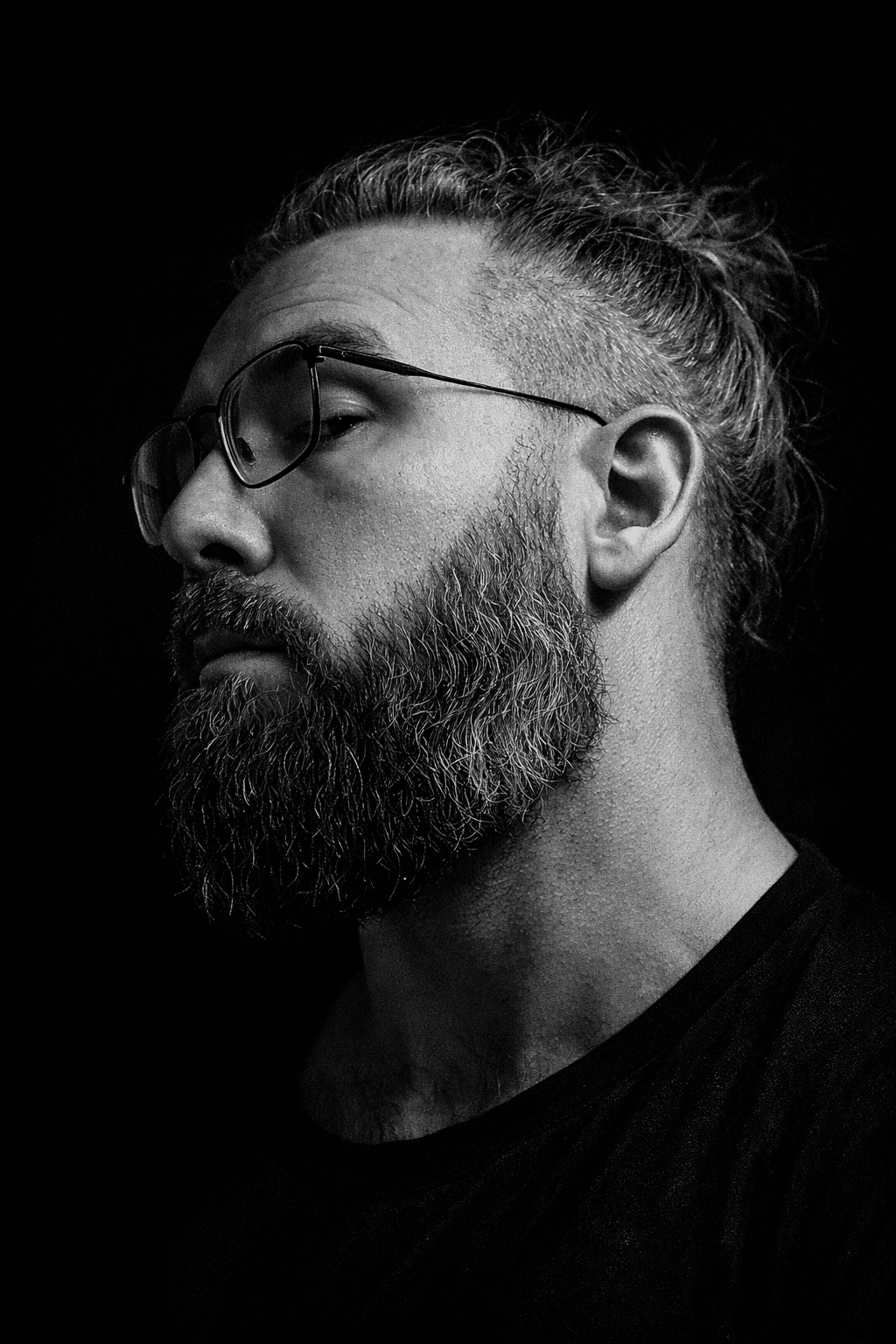
Hello, I'm Al. Below you'll find an unnecessarily detailed story of how I got into sound.(I'm not joking, I'm yet to edit it down, it's ridiculous)
Career background
A not so short account of my sound life so far
Early Years

I grew up on a council estate in 1990s Hackney, a very different place from what it is now. The sort of place Irvine Welsh would write about. No, really, there’s a short story about the estate in The Acid House.
At home, reggae and dancehall would be blasting through the system one minute, followed by Pink Floyd, Black Sabbath or Led Zeppelin the next. Stories mattered too. Social currency was largely based on how well you could tell one, which I didn’t realise at the time would end up shaping most of my working life.
My interest in audio goes back further than my understanding of what it actually was. I taught myself guitar, drums, piano and keyboards, then decided at college that if I learned everything, I could record an entire band myself. So I did. There was a lot of clipping and some fairly undignified sprinting between the live room and control room, but I gradually learned how to mic things, patch a studio, build cue mixes, record and edit.
Electronic production came next. I started in Reason, where turning the rack around and repatching everything taught me sends, inserts, sidechains and parallel routing long before I knew I’d spend most of my adult life doing the same thing in much larger rooms. That led to producing and DJing, usually somewhere around 140 BPM. Hackney boy, I know. I played shows, had a radio slot and eventually performed on a sound-system stage at Notting Hill Carnival, which was fairly ridiculous.
Then, at eighteen, I overheard a tutor offering students the chance to help on a film set during half-term. Nobody volunteered, so I asked if he’d take me instead. A few days later I was crouched in a corner holding a boom, covered in fake blood, filming a Valentine’s horror short about a man cutting out his own heart and giving it to his lover.
Romance.
I got my first boom operator credit, helped a little with the post and was immediately hooked. I still loved music, but realised the real obsession was sound itself: dialogue, atmosphere, performance and all the quiet things that make a story work. I went on to study Music Technology, bending as much of the course towards film sound as I possibly could, then started trying to break into the surprisingly tiny world of film and television post.
Foot in the Door
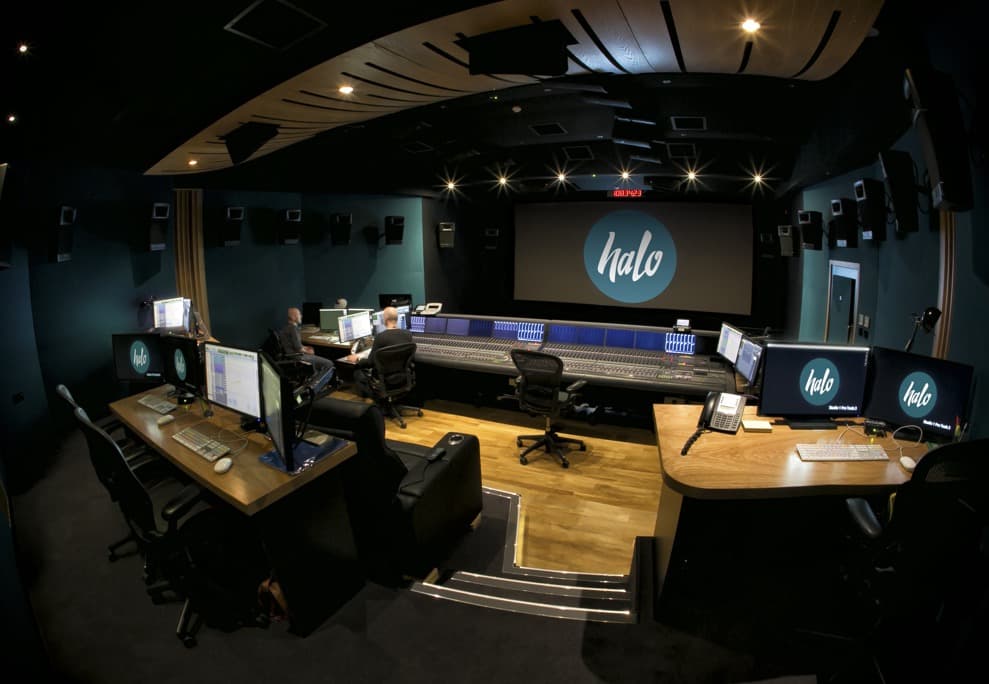
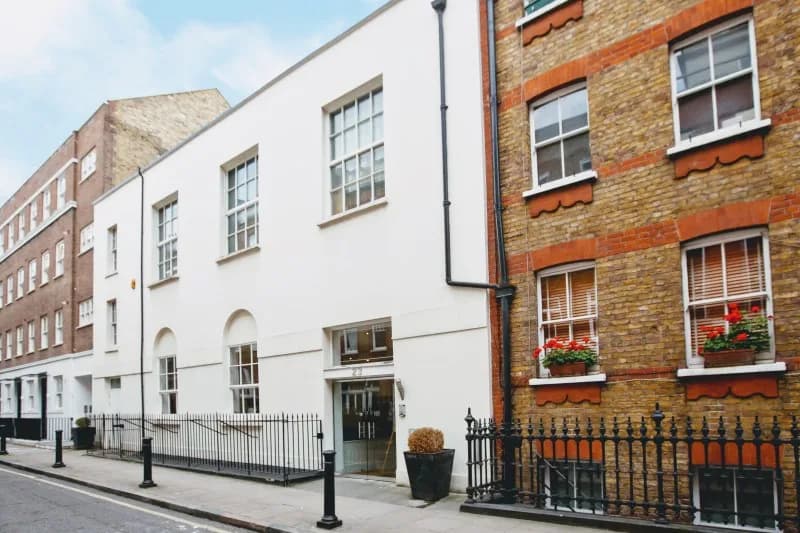
My first professional job was as a runner at Halo Post Production, one of London’s great — and now sorely missed — post houses. I became Head Runner within a few months, which meant progressing from making lattes and cappuccinos to teaching other people how to make them.
And macchiatos. Can’t forget the macchiatos.
Joking aside, Halo taught me how a serious creative company actually works: client care, scheduling, room preparation and all the invisible jobs that stop productions falling over. I wanted to get closer to the audio itself, so I moved to The Sound Company as a technical runner and audio assistant.
I started with the fundamentals: mics, patching, cable runs, ISDN, fault finding and making sure everything worked before a client walked through the door. Eventually I moved into the smallest studio and finally got to spend my days behind the desk. The early work was smaller: online ads, audiobooks, games and telephone IVR. Some IVR jobs ran to around 20,000 files, which is an extremely efficient way of learning naming conventions, organisation and obsessive QC.
From there I became a studio engineer and moved into larger sessions across advertising, animation, radio drama, podcasts, television commentary, ADR, documentary narration and audio-first adaptations. That was where I properly learned that good voice recording is not just sticking an expensive microphone in front of someone famous. The mic has to suit the voice, material and room, but the real skill is understanding performance and keeping a session moving without letting the machinery get in the way.
The Sound Company also expected engineers to be engineers in the proper sense. We maintained and upgraded our rooms, diagnosed faults and understood the signal path beyond whatever was visible on-screen. I recabled most of a studio, learned some soldering, helped build rooms and developed a fairly stubborn belief that if I use a system, I should understand how and why it works.
The work eventually included major projects for clients such as Aardman, DreamWorks, Pixar, Netflix, the BBC and Audible. I ran multi-mic sessions, mixed advertising to different international specifications and spent years building complicated audio-only adaptations of major film properties, where dialogue, narration, music and effects had to replace everything an audience could no longer see. Alongside that, I started handling complete post-production on shorts and features: AAF turnover, dialogue, effects, premix, final mix and delivery in stereo and surround. That was really the point where all those separate bits of audio started joining up in my head as one complete soundtrack.
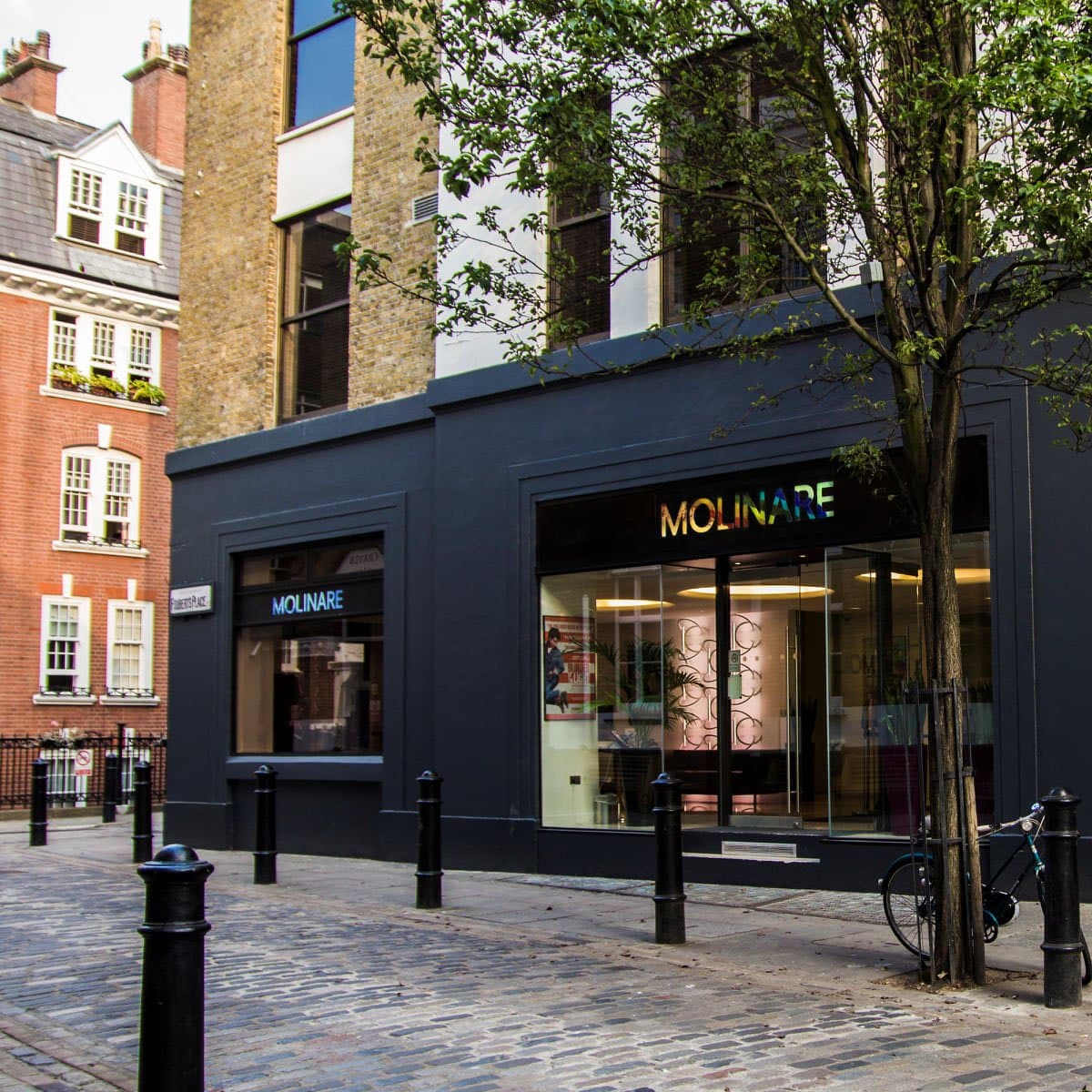
After six years or so, I wanted to get back into the glitz and glamour of Soho, which mostly means windowless rooms and expensive sandwiches. I joined Molinare as principal ADR Mixer in the drama department, running the flagship recording studio and working across features, HETV, documentary and factual productions for Netflix, Disney+, Paramount+, Prime Video, HBO and the BBC.
ADR is a beautiful craft and far more than getting words in sync. You’re matching performance, intention, rhythm, physical effort, environment and mic perspective, while keeping the technical side invisible enough that the actor can concentrate on acting rather than waiting for you to find the correct button.
I prepared cues, supervised ADR, worked with dialogue editors and final mixers, trained staff, recorded crowd groups and worked closely with engineering on new systems and workflows. If you’re going to use something in front of a client with a schedule and several thousand pounds’ worth of talent sitting beside them, “it worked when we tested it once” is not really good enough. My work there included Break Point, which won Broadcast Tech’s Excellence in Audio Post award in 2023. More importantly, Molinare sharpened pretty much everything I was already doing: direction, performance matching, speed, client handling and technical reliability. It also gave me a much better understanding of how a big post house takes a lot of specialist knowledge and turns it into something repeatable.
Today
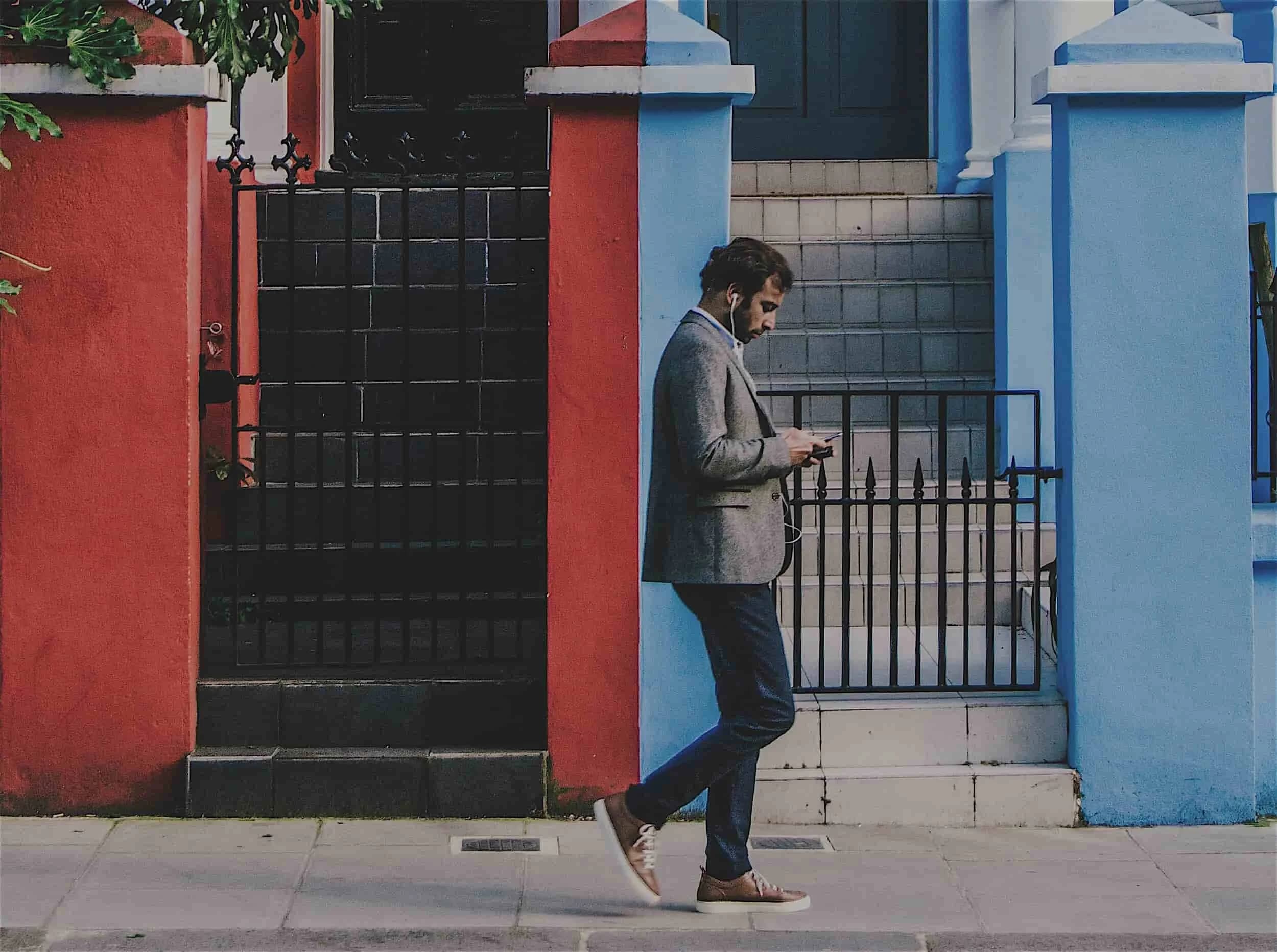
Today I’m Head of Sound & Creative Audio at Message Heard, working across narrative, documentary, branded and digital-first productions. I originally joined to oversee the full audio post on a 20-part true-crime documentary series for Al Jazeera. The role grew from there, and I now lead the audio department across the wider slate while remaining very much hands-on. Depending on the day, that can mean dialogue editing, restoration, recording, sound design, music editing, mixing, mastering or delivery. Occasionally several of those before lunch.
I’ve also moved further into supervising entire soundtracks: defining a project’s sonic identity, briefing composers, directing voice records, shaping archive and music, supervising editors and carrying the whole thing from first assembly through to final delivery.
A big part of the job now is taking a lot of what I learned in big post houses and working out how to make it actually useful on smaller, much faster productions. Podcasts, video podcasts and online documentaries have become increasingly ambitious, but the workflows behind them haven’t always caught up. Very expensive ideas are still regularly pushed through improvised systems and handed to sound at the end with vague instructions and a slightly worried expression.
The funny thing is, film and television post has already solved loads of these problems. Proper turnovers, sensible routing, clear naming, shared libraries, show bibles, version control, loudness management and decent review systems stop people rebuilding the same work or losing hours to avoidable chaos. I spend a lot of time building templates and workflows that carry productions cleanly from editorial turnover through dialogue, tracklay and mix to stems, versions, QC and final masters. I’m a big believer in standardising the boring stuff so you’ve actually got more room to be creative where it matters.
I’m also constantly testing new restoration tools, automation and workflows. I’m really interested in new tools and new ways of working, but not just because something’s shiny and new. A tool has to save time, improve the result or make the process more reliable. Ideally all three.
For me, the technical and creative stuff feeds into each other. If the systems are good, you spend less time fighting stupid problems and have more headspace to actually make something good. But equally, there’s no point building the world’s most efficient workflow if all it does is help you make something boring slightly faster.
My core philosophy is considerably simpler. You’ll have to mind my French:
Give a shit.
About the story. About the performance. About the audience. About the people doing the work. About the technicals. Just give a shit.
Thank you for coming to my TED Talk.
tl;dr
Used to like sound, started making sound. Found out I really like noise, started making noise. Still make and plan noise for people. Still really like it.
Professional links